Short answer: Start a commercial boiler for the season before the first cold week, not after the first no-heat call. Get records and the boiler room in order, schedule a qualified startup visit before the building is occupied, and know the warning signs that mean shut it down and call.
Treasure Valley nights drop below freezing from late fall into spring, and the first cold snap is when a boiler that sat all summer gets its first test. I'm Jason Hodges, owner of Meridian HVAC & Refrigeration. We service commercial boilers, both steam and hot water, for schools, churches, offices and multi-building facilities. This post covers what owners and building staff can do, what a professional startup looks at, and the warning signs to watch for. It is general guidance. Always follow the boiler manufacturer's instructions and the requirements of your jurisdiction.
Why fall startup matters
A boiler that was idle for months can hide problems: leaks from drying gaskets, rust in the firebox, stuck valves, dead controls and low water treatment. A school or church building often has a hard opening date for classes or services, with many people relying on the heat the same morning. Finding a failed pump or low-water cutoff in September is a scheduled repair. Finding it on the first cold morning is an emergency.
Before the season: what owners and staff can do
- Confirm who is authorized to operate the boiler. Only trained staff or a qualified service company should start and adjust a commercial boiler.
- Review last season's service notes. Look for open items such as leaks, weeping valves, noisy pumps or tripped controls.
- Check inspection status. Make sure your boiler's state inspection certificate is current. In Idaho, many commercial boilers and pressure vessels are inspected periodically through the Idaho Division of Building Safety's boiler program; contact them if you aren't sure of your status.
- Walk the boiler room. Check for clear access, working lighting and ventilation, combustion air openings that aren't blocked, and nothing stored against the boiler or flue.
What a professional startup looks at
A qualified fall startup is a full inspection of the boiler before it carries the building: the safety devices first, then the burner and combustion, the controls and electrical, the pumps and the water side, documented with anything that needs repair. Steam systems add the water level, traps, vents and condensate return; hot water systems add system pressure, the expansion tank and air in the loop. Leave the testing and adjustment to a trained technician, and never bypass a safety device to get heat.
Symptoms and likely causes at startup
| Symptom | Likely cause | What to do |
|---|---|---|
| Boiler won't fire | Safety trip, no fuel, failed ignition, low-water cutoff open | Don't bypass safeties; call a technician |
| Boiler fires, then locks out | Dirty flame sensor, poor combustion, venting issue | Call for diagnosis and combustion check |
| Water leaking | Gasket, valve, pump seal or relief valve | Shut off the supply if safe; call |
| Banging or water hammer (steam) | Failed steam traps, poor condensate return, pipe pitch | Reduce load and call |
| Rooms cold, boiler hot | Stuck zone valve, air in the loop, failed circulator | Call; check pump and zone valve |
| Pressure drops or climbs | Leak, failed expansion tank or makeup valve | Call to inspect |
| Smell of gas or exhaust | Fuel leak or blocked flue | Leave the building, call the gas utility and 911 if needed |
| Short cycling | Oversized load match, dirty controls, bad sensor | Call for tuning |
If you smell gas or suspect carbon monoxide, evacuate and call emergency services first.
Schools and churches: plan around the calendar
Schools and churches have timing constraints that most businesses don't. A school must be warm for the first cold morning with students present, and a church has a service on a specific day each week. Start planning in September: schedule the startup visit, give technicians access to the boiler room, and set a date to fire the system before the building is occupied. Facility managers often need paperwork too, and we provide quotes, documentation, bid packets and certificates of insurance on request. See our page for schools and government facilities.
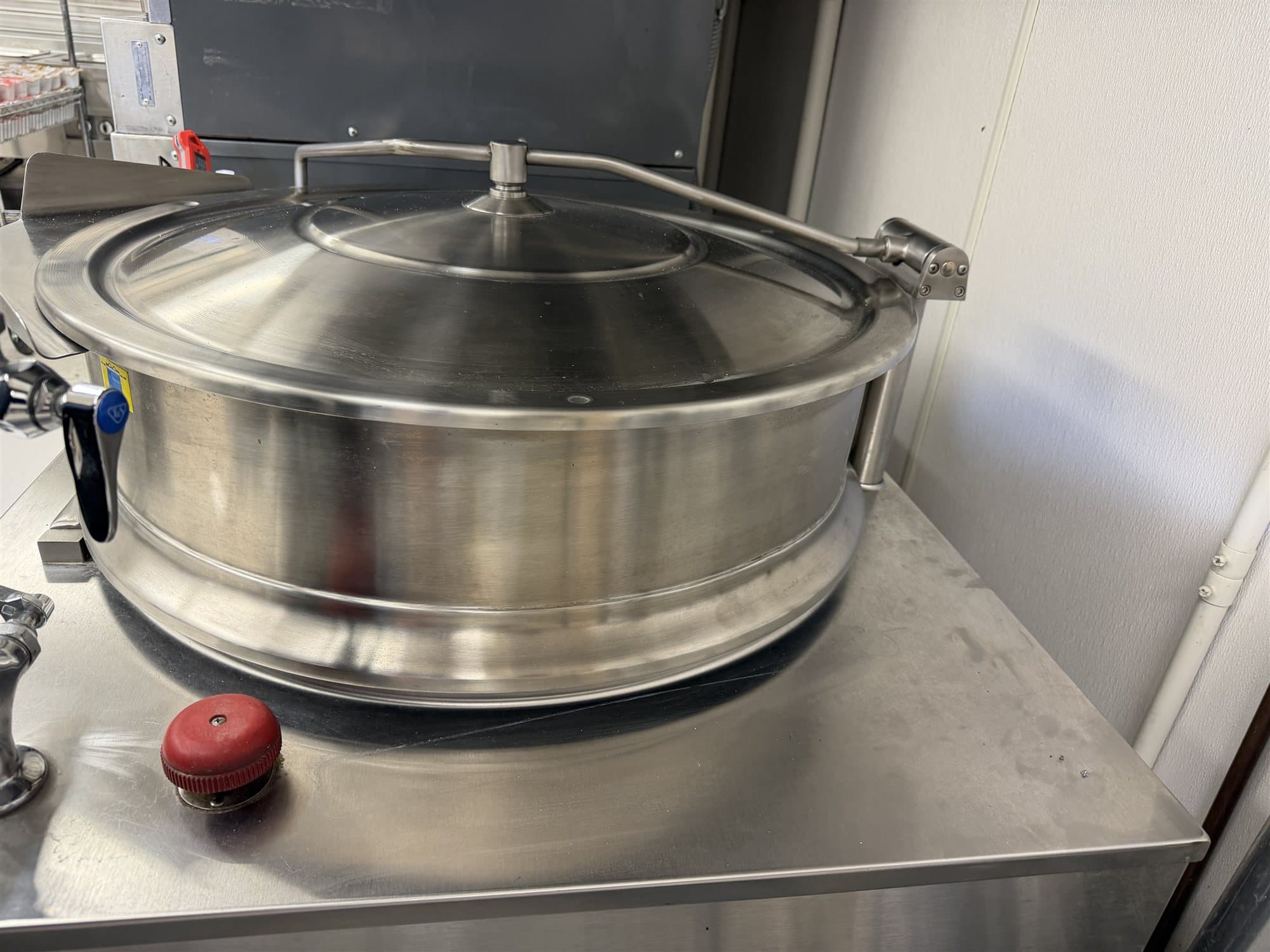
Where a building has a kitchen, we can look at kitchen equipment, walk-ins and rooftop units at the same time. The steam kettles and steamers in a school kitchen often run off the same boiler or a dedicated one, so confirm which applies to yours.
What a startup visit from us includes
We service steam and hot water boilers and all brands. A fall startup from us is a full inspection of the boiler, safeties, burner with combustion readings, controls, pumps and water side, documented, with anything that needs repair listed. You get an on-site diagnosis and a quote to approve before any repair work, and we document what we find with photos. For emergency heat calls, we answer 24/7, and in the Treasure Valley we aim to have a technician on site within 2 hours (response times can vary with location, weather and call volume). After-hours calls are billed at overtime rates.
Maintenance beyond startup
Startup is one visit in a year of boiler care; mid-season service and a spring shutdown matter too. A custom-priced maintenance plan schedules those visits and gives you priority dispatch if the boiler fails in January. See our commercial boiler service page, or call (208) 477-1897. We serve Meridian, Caldwell, Boise, Nampa, Eagle, Kuna and the Treasure Valley.